Turning Practice Into Progress: Tips for Elementary Level Piano Students
The Piano Safari Practice Strategies
Have you ever taught a student whose progress seems “stuck?” They may come to a lesson and tell you they have been practicing, but it is difficult to see and hear any measurable progress from week to week. This situation is frustrating for both the student and the teacher! It may be that the assigned repertoire is too difficult for the student at their current stage of study, but it also might be that they simply do not know how to practice effectively.
Due to this, it is of vital importance that teachers spend substantial time training students to use specific practice strategies. When a student knows which strategies to apply in each piece, their practice is not only more effective, it is also more approachable.
Think for a moment about a challenging task you have to complete. Are you more inclined to tackle it if you have specific directions and equipment? I know I am! If I don’t feel I have the tools to complete a task successfully even after putting in the work, I often resist starting it at all. As teachers, we need to help students avoid this situation by providing them with the tools they need to practice and experience demonstrable improvement. This will aid their motivation and will promote a willingness to sit at the piano to practice.
Keep in mind that it is important for students to leave each lesson having demonstrated some measure of proficiency with the strategies that you’ve taught. Just because we’ve introduced something, it doesn’t necessarily mean that the student has learned and internalized it. Take time to review and practice each strategy during the lesson so the student feels prepared to apply it on their own during the week of home practice.
In this article, I will highlight some of my favorite strategies from the Piano Safari Practice Strategy Cards that are appropriate for elementary level pianists (please note that pianists at higher levels will benefit from these as well). Each of the 41 cards has an illustration and name of the strategy on the front, and a description of how to execute the strategy on the back.
Elementary Practice Strategy #1: Brain Juice
The entertaining and quirky title of this strategy brings a playful feel to practice, and it is easy to execute for beginning pianists. The card states:
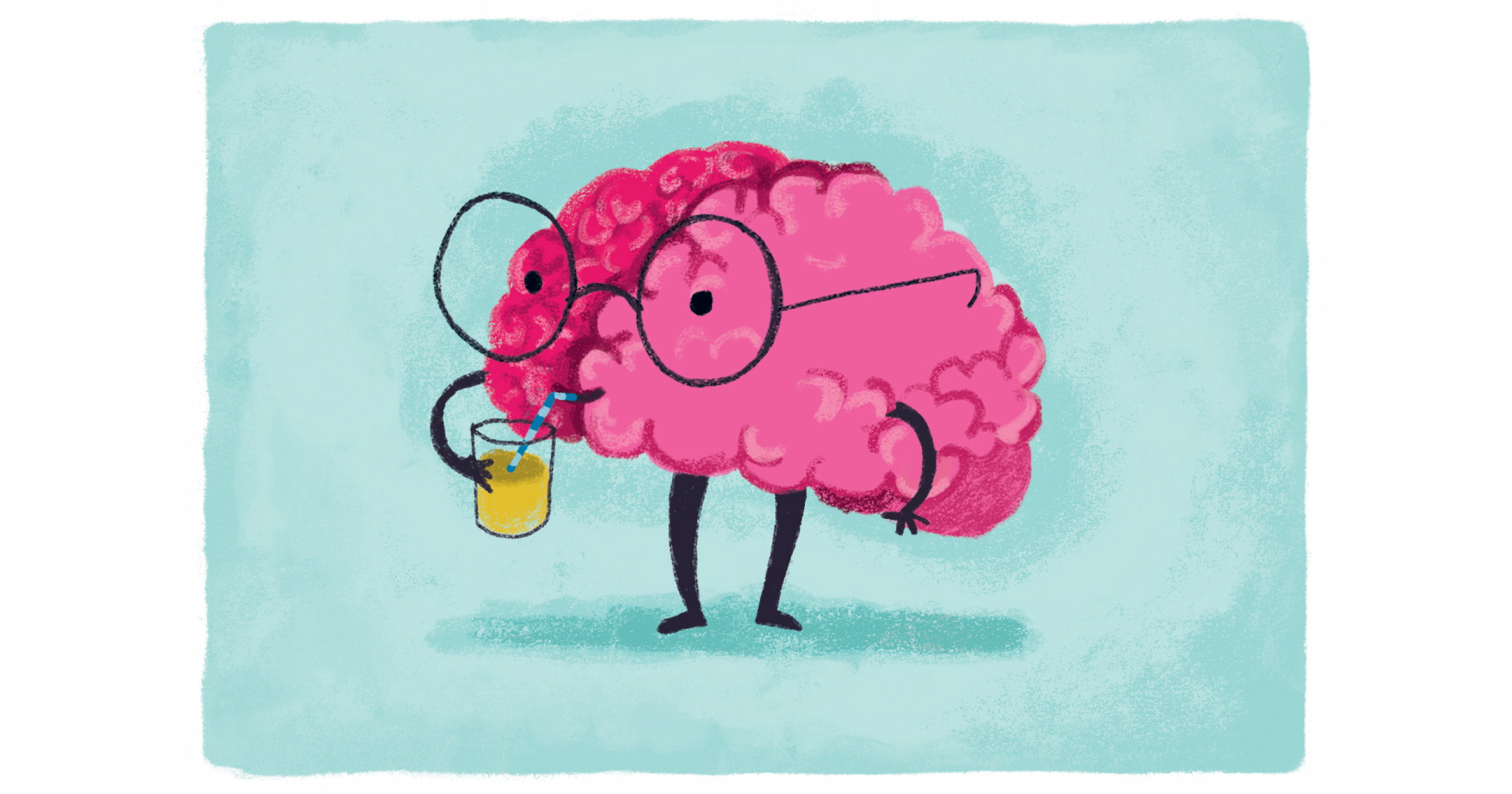
“When approaching a difficult spot, squirt out some extra brain juice by thinking extra hard. This will help you consciously concentrate on playing a difficult spot correctly.”
This may seem somewhat obvious, but it is interesting how easy it is to let the mind wander during practice. Sometimes a difficult spot simply needs focused attention. Have your student draw a little picture of a brain in their music. The additional benefit is that the student actually has to know where that difficult spot is in the score!
After the spot is marked, ask the student to start a measure or two before, and see if they can repeat it at least three or four times in a row correctly. The brain needs to be trained to “squirt out some juice” automatically.
Elementary Practice Strategy #2: Change Articulation
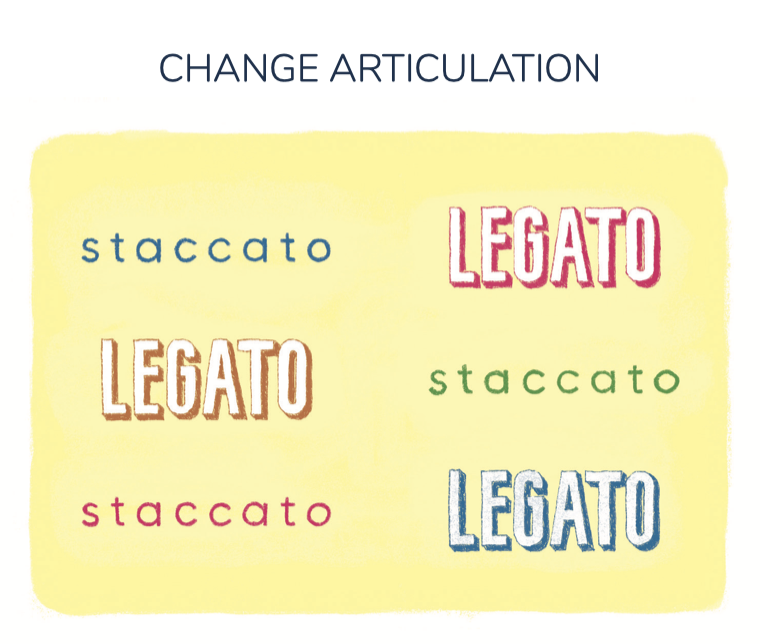
”To practice for control of rhythm and tone, reverse the articulation for a passage by playing the legato passages staccato or the staccato passages legato.”
This strategy is simple to implement. For a beginner, pick a passage that uses one articulation consistently, such as a legato melody line. Practice the passage several times with the reverse articulation, so in this case, all staccato. This will wake up their fingers and ears and help the student play with more clarity when they return to the original articulation. I find this especially helpful when a student has a habit of overlapping the fingers too much while playing legato.
In the opposite case, when a student turns a staccato passage into a legato one, this will aid them in hearing the phrase shape and longer melodic line.
It is also important to practice patterns such as pentascales and triads with varying articulation. This will help the student gain more technical control and train their ears as well. When the student is able, have them play hands together with mixed articulation (e.g. play a pentascale with the LH legato and the RH staccato, then switch).
Elementary Practice Strategy #3: Extreme Phrasing
“For pieces with rubato, practice with various types of phrasing, even extreme ones with extra rubato. This will keep your interpretation sounding fresh and interesting rather than playing a passage exactly the same way every time.”
When you read the word rubato in this description, did you think that this might be too difficult for an elementary student to execute? In my opinion, it is never too early to encourage students to play musically, even if it isn't rubato per se. Those of you familiar with Piano Safari will know that we include rote pieces in the earliest levels of the method that are introduced directly at the keyboard, away from the notation. This enables students to focus more of their attention (a.k.a “brain juice”) to playing artistically since they are not simultaneously distracted by decoding the notation. To read more about the benefits of rote teaching, visit the Field Note The Rationale for Rote Teaching.
You may also be wondering why we suggest making the phrasing extreme. This is simply because exaggeration makes new concepts more understandable and memorable. If I am demonstrating an artistic concept that a student is learning for the first time, such as a passage with a ritardando and accompanying dimenuendo, I make an extreme difference so my beginning student is able to plainly hear the musical intent. I then have them imitate me, striving to create an extreme change in the tempo and dynamic as well.
Once they are able to accomplish this, I then demonstrate a more reasonable and nuanced approach that would be musically appropriate for the piece and ask them to imitate that interpretation. Asking the student to listen to a performance and imitate several different interpretations will help them understand what is possible musically, until the day when make these artistic decisions on their own.
Elementary Practice Strategy #4: Slow Medium Fast
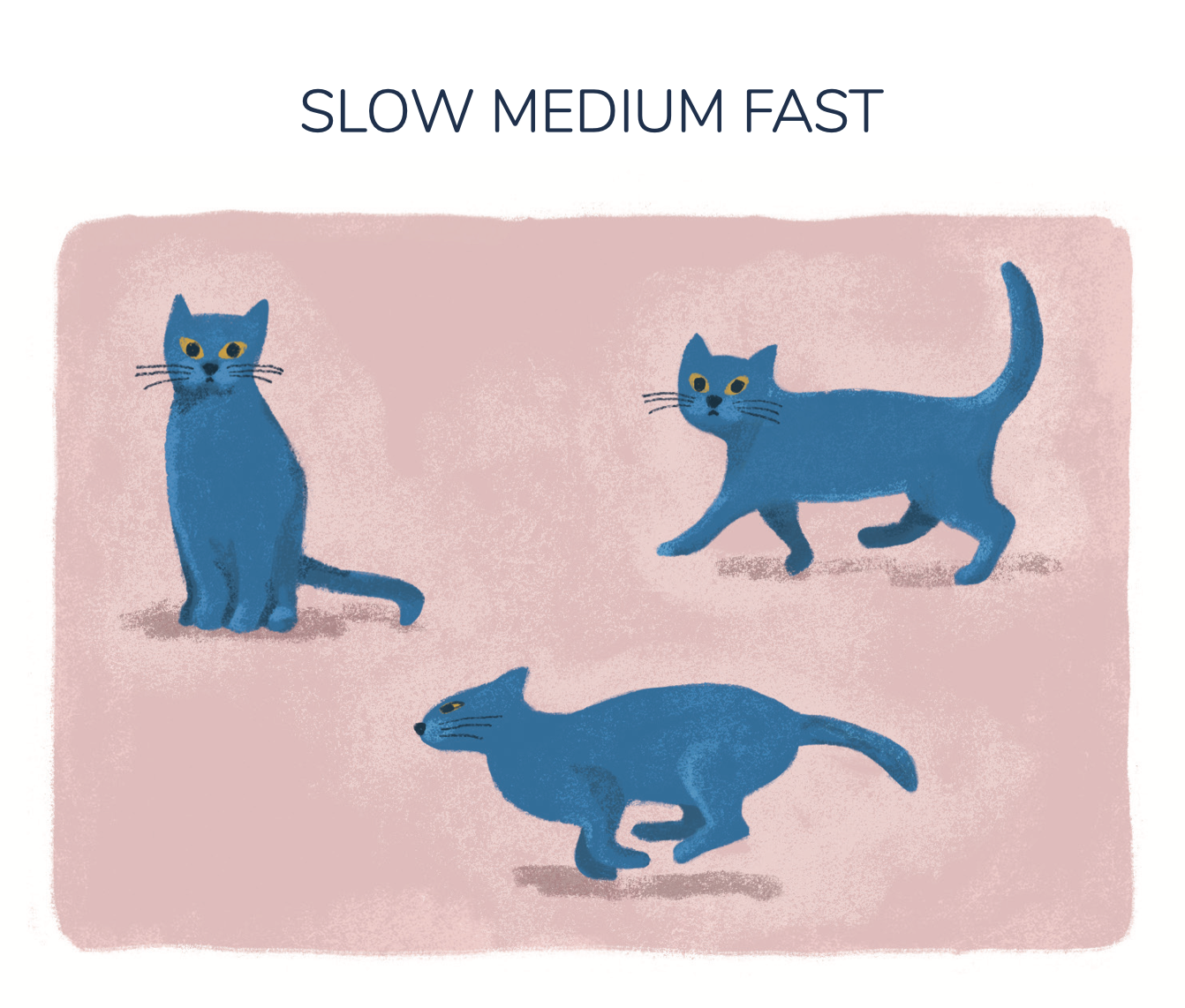
“To build confidence and to practice phrasing, dynamics, and fluency, play a phrase or section at slow, medium, and fast tempos.”
In my opinion, this is one of the most useful practice strategies for pianists at all levels. It particularly builds security and consistency in performance, especially when combined with playing by memory.
I implement this strategy with students once they can play a piece or section through without any major hesitations. We start by choosing a performance tempo for the piece, which is the “fast” part of the strategy. For the purposes of this article, let’s say that the fast tempo is around metronome mark 120. I then choose a slow tempo for the student, which should feel quite easy and is slower than their current tempo, maybe around 80. For the medium tempo, take an average of the slow and fast tempos, so this would be 100.
The student should begin each practice session at the easy tempo, using the score even if it is memorized, and taking note of all the musical details. If they are successful, they may move the metronome directly to 100, the medium tempo. If they had any struggle at all, however, I tell them to move up the metronome more gradually, about four clicks at a time, until they reach their medium speed. This same process is repeated between the medium and fast (performance) tempo.
Even after a student can play the piece securely at performance tempo, I have them return to this slow, medium, fast practice strategy to maintain the quality of their playing. This will help the piece remain “performance ready” and in top shape long after it is learned.
Elementary Practice Strategy #5: Stop Sign Dynamics
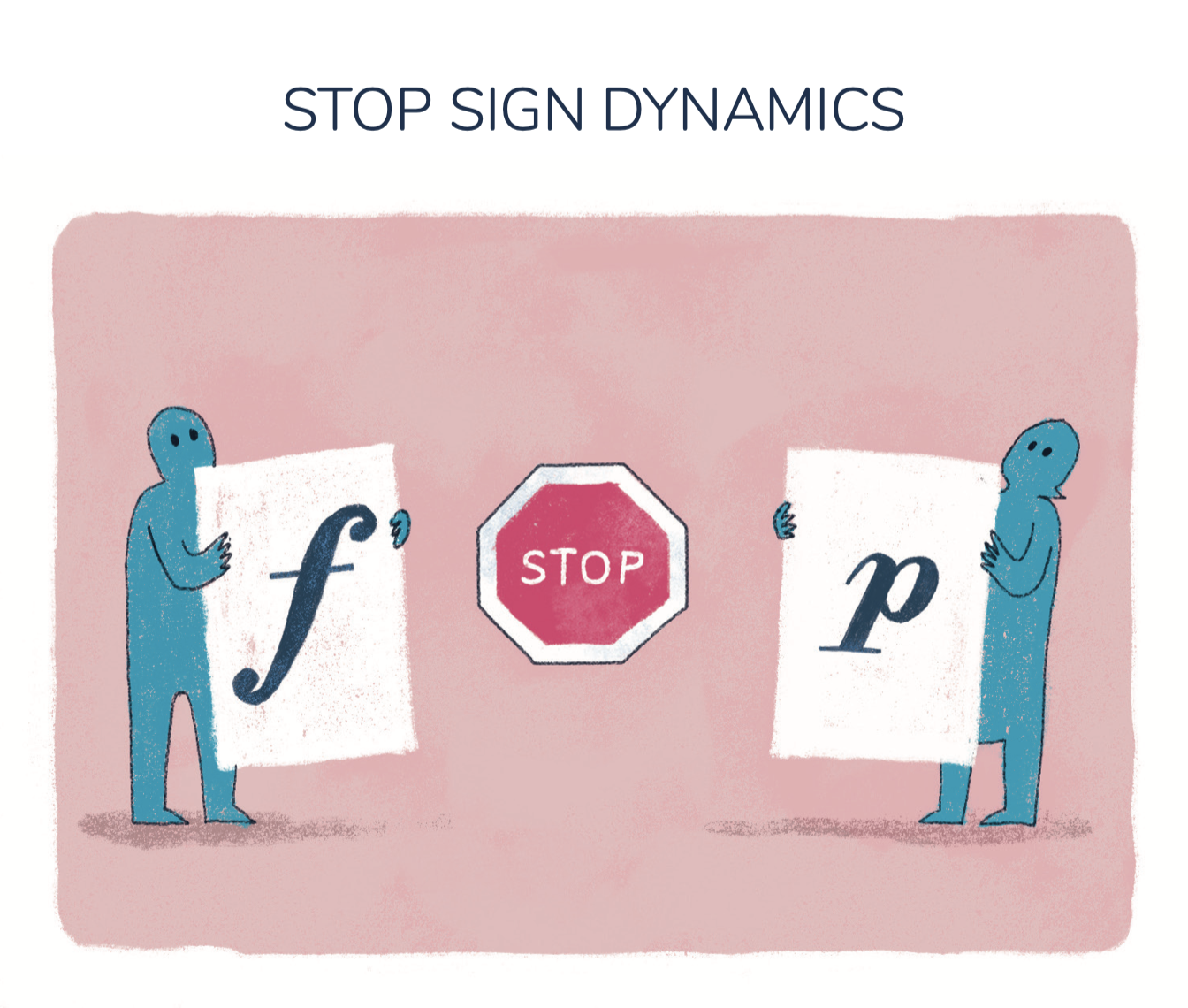
"When there is a sudden dynamic change, such as from forte to subito piano, 1. Play forte through the end of the phrase, 2. Stop and think about the piano sound to come, 3. Play the piano section, and 4. Gradually reduce the length of the stop."
Changing dynamics in a piece suddenly requires technical control, but it also requires that a student anticipates and hears the change in their mind in advance. Intentionally adding a full stop between dynamic changes will help a student accomplish this.
When a student pauses to set the new dynamic, instruct them imagine the sound of the new dynamic before playing. This may take several seconds, and that is fine! The student should take as long as necessary in order to make the change dramatic.
Eventually, encourage the student to reduce the length of the stop, until there is no extra pause at all.
One More Just for Fun: Refrigerator Practice
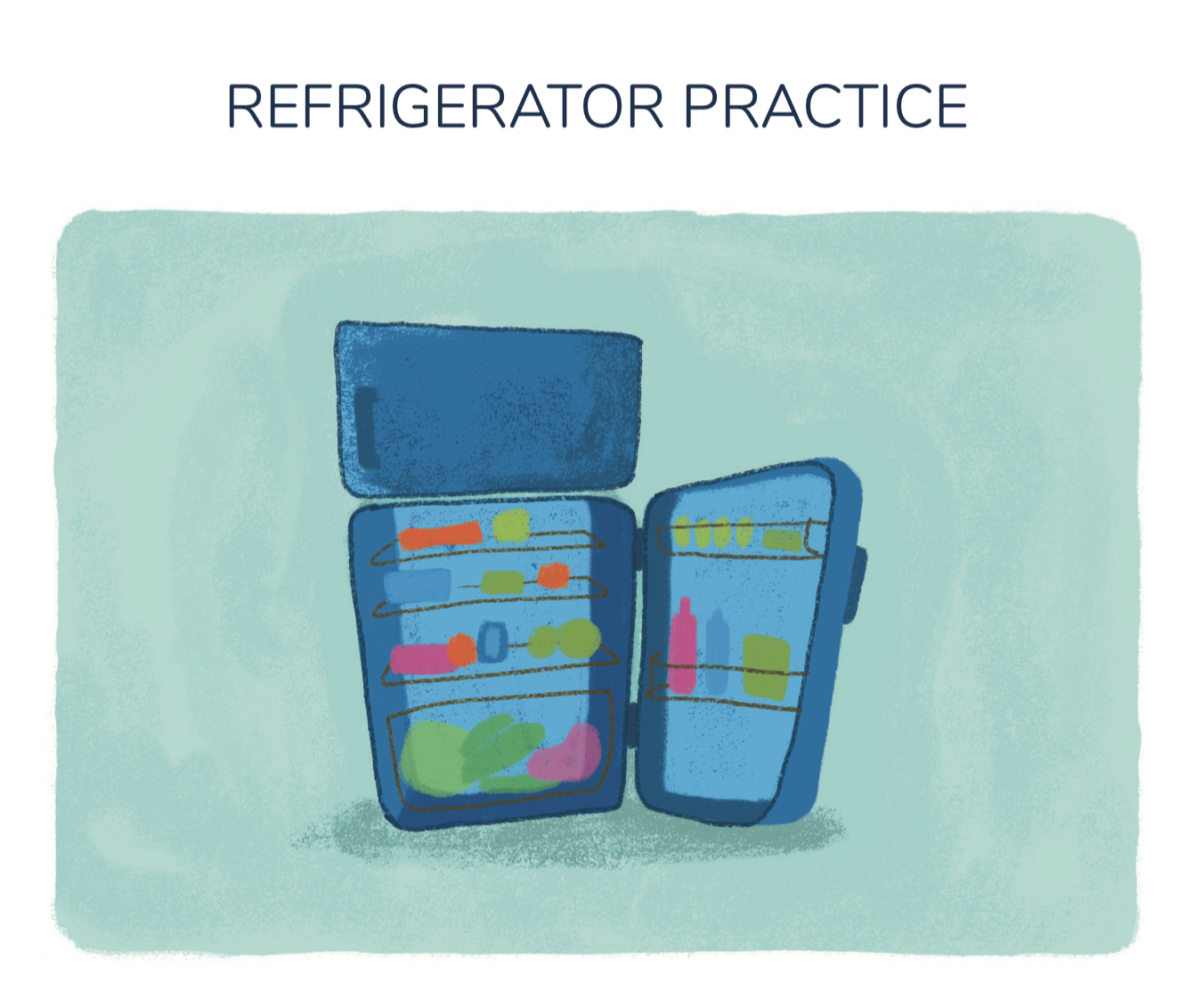
“When preparing for a performance, stop by the piano every time you walk across your house to get a snack from the refrigerator. Sit down and play your piece as if you are performing it. Playing it without warming up will give you confidence that you can play it on the spot.”
Students think this practice strategy is hilarious, but if they actually DO this, can you imagine how well prepared they would be for their performance?
Summary
There are many excellent and effective practice strategies to explore with your elementary students. Make a list of your favorites and try implementing them in your studio today! They bring so much fun and interest to lessons, and also provide the tools necessary for students to thrive during their daily practice.
Are you interested in learning some advanced practice strategies? Read the Field Note "Five Practice Strategies for Intermediate and Advanced Pianists."