Five Practice Strategies for Intermediate and Advanced Pianists
Has the way you practice changed in the years you have studied piano? What have you learned over time?
After decades of playing, I have learned to be much more efficient in my practice. All the responsibilities of adult life necessitate this. It often feels like there aren’t enough hours in the day, so I need to maximize the time I do have. Over time, I’ve grown to love the art of practice and I often try out new practice strategies in my repertoire. Here are five of my favorites for intermediate and advanced students.
Practice Strategy #1: Voicing Chords
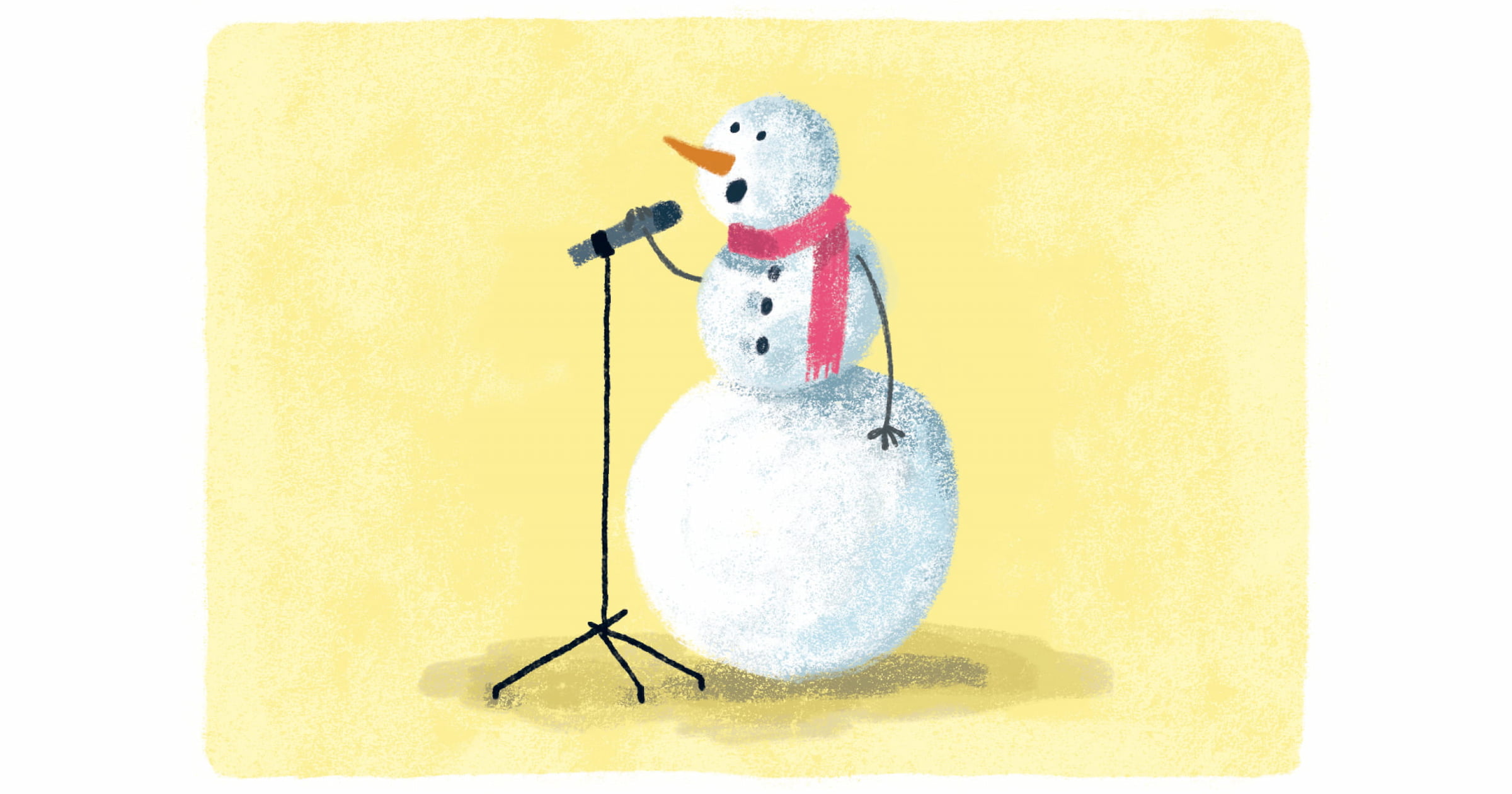
Did anyone notice how the humorous illustration of the singing snowman on the practice strategy card represents the fact that pianists need to voice the top note of the chord in order to emphasize the melodic line? Of course, there are times we need to bring out another note in the chord instead, and this strategy can be adjusted for that scenario as well. The card reads:
When voicing the top note of a chord, practice playing the top note forte with relaxed arm weight. While holding this note, add the other notes of the chord very quietly. Repeat, gradually moving the notes of the chord closer together until you are playing them simultaneously with the correct voicing.

In order to create the desired sound, the first part of the instruction is particularly important. The pianist must balance on the voiced note with relaxed arm weight, rather than press into the key. Pressing will create tension and produce a forced and harsh sound. To test for the proper technique, ask your student to drop into the note they are trying to voice, and then move their wrist smoothly up and down while the note is still depressed. If they can achieve this, it means their fingernail joint is appropriately gripping the key while they are playing with a lack of tension in the rest of their playing mechanism.
Practice Strategy #2: SDRAWKCAB KROW
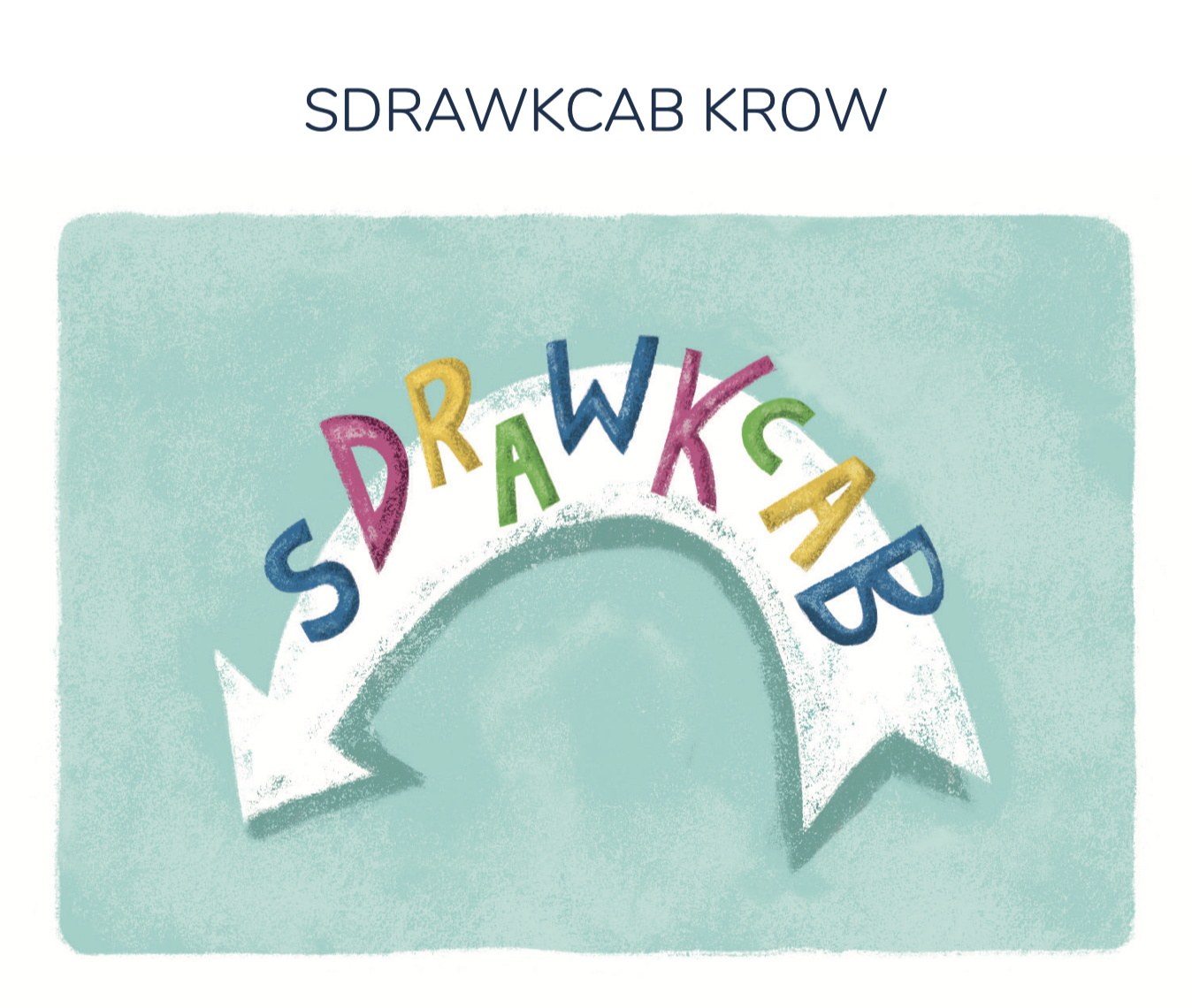
Work Backwards: Practice a piece starting with the last section, and work back toward the beginning of the piece.This will make the end of the piece as secure as the beginning.
I love sharing this card with students to see how long it takes them to decipher the meaning of the title! Working backwards in a piece is one of my all-time favorite practice strategies both for myself and my students. I remember discovering the magic of this in college when I was practicing the C Minor Toccata by Bach. I divided the entire piece into large sections, and then practiced each section starting from the end. This made the piece feel incredibly secure, and it also sped up the learning process.
When applying this practice strategy to a piece or larger section, start on the last beat of the last measure. For example, if the piece is in 4/4, start on beat 4, then beats 3 and 4, then beats 2, 3, and 4. Take note that this strategy does not mean to actually play backwards, reading right to left. Still have your students read left to right, but start with the last measure and move in reverse through the piece or section.
One additional benefit to this approach is that students will learn the fingering of the piece thoroughly, as they will need to identify the starting finger number on every beat.
As a side note, I have spoken with teachers who do have their students read right to left and play every single note in reverse. I do not use this strategy frequently, but you can keep it in mind and perhaps try it yourself to find its benefits.
Practice Strategy #3: Shadow Practice
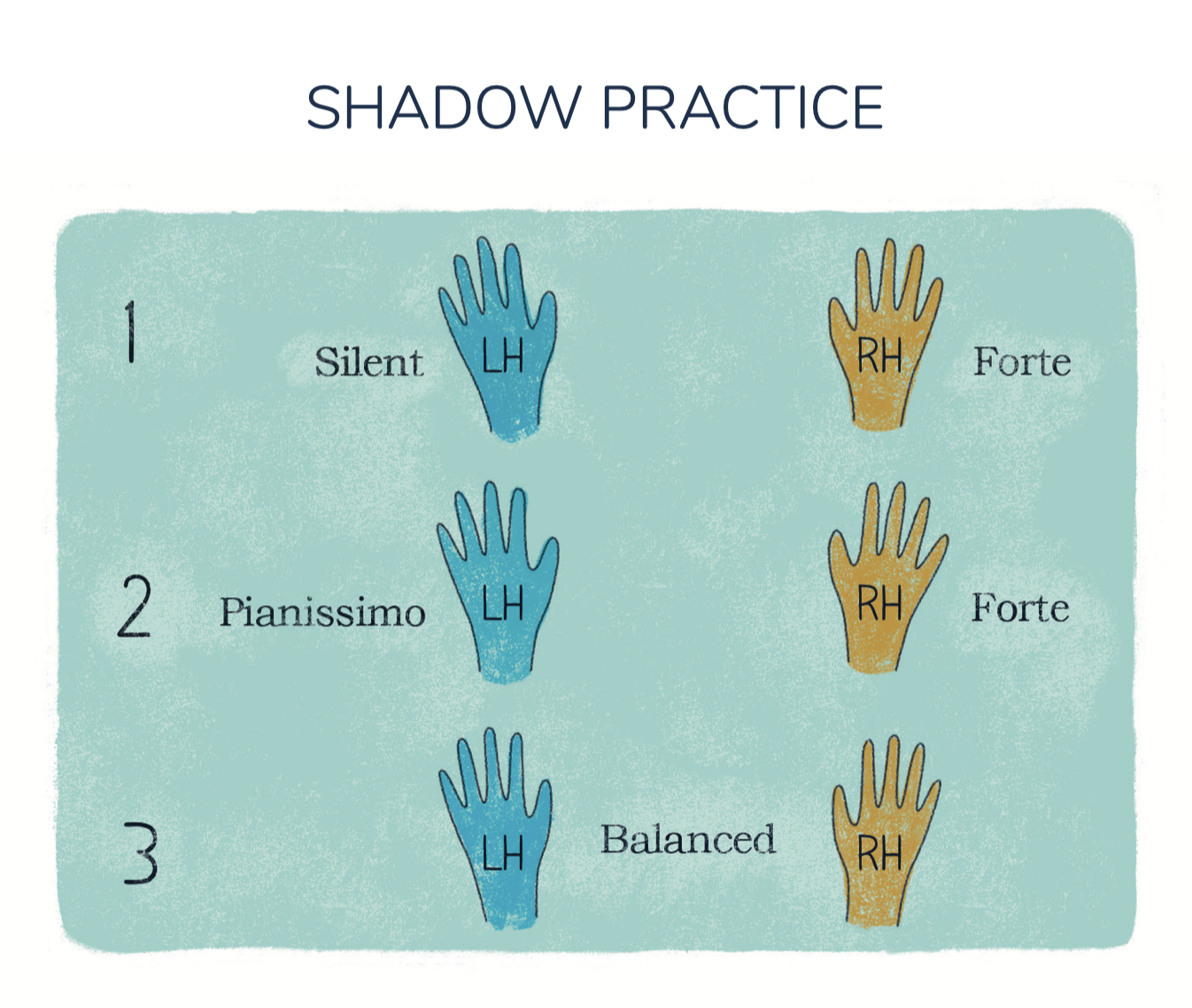
To achieve proper balance of tone between melody and accompaniment: Step 1: Play the melody forte and the accompaniment silently on the surface of the keys. Step 2: Play the melody forte and the accompanying hand pianissimo, like a shadow. Step 3: Adjust the voices to the proper balance.
This valuable strategy is appropriate for late elementary students in addition to intermediate and advanced students. It is extremely effective and works almost immediately in most cases. It is based on the premise that exaggeration of a concept is beneficial. When students play one hand with weight and volume and the other hand silently, the difference is extreme. Although the brain feels both hands playing, the ear only hears one hand. At first, this first step may be difficult for some students to achieve, but once they can, it is fairly easy to complete the rest of the strategy: one hand forte and the other pianissimo, and then play with proper balance.
Isn’t balance an interesting word? As pianists, we think of “playing with proper balance” to actually mean “projecting the melody and keeping the accompaniment quiet,” rather than playing all parts equally. You may need to clarify this point for students. They may at first assume that balance means everything is equal, like balancing objects on two sides of a scale.
Practice Strategy #4: Rhythms
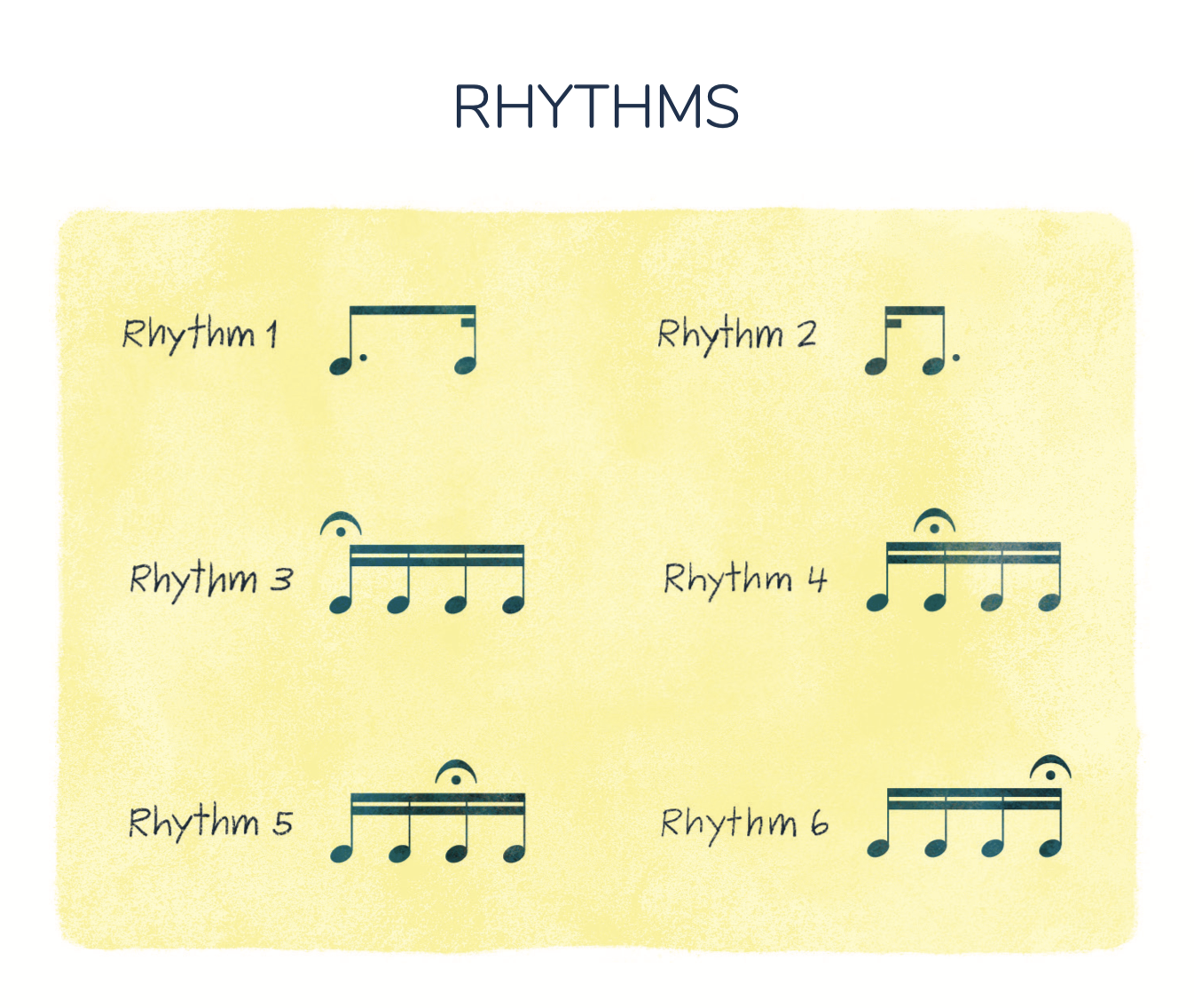
For Hanon exercises, scales, and sixteenth note passages in pieces, use each rhythm pattern to practice evenness of tone and rhythm. Long notes have an accent and prepare for the next group of notes to be played. Short notes are as fast as possible and have clear tone and even rhythm.
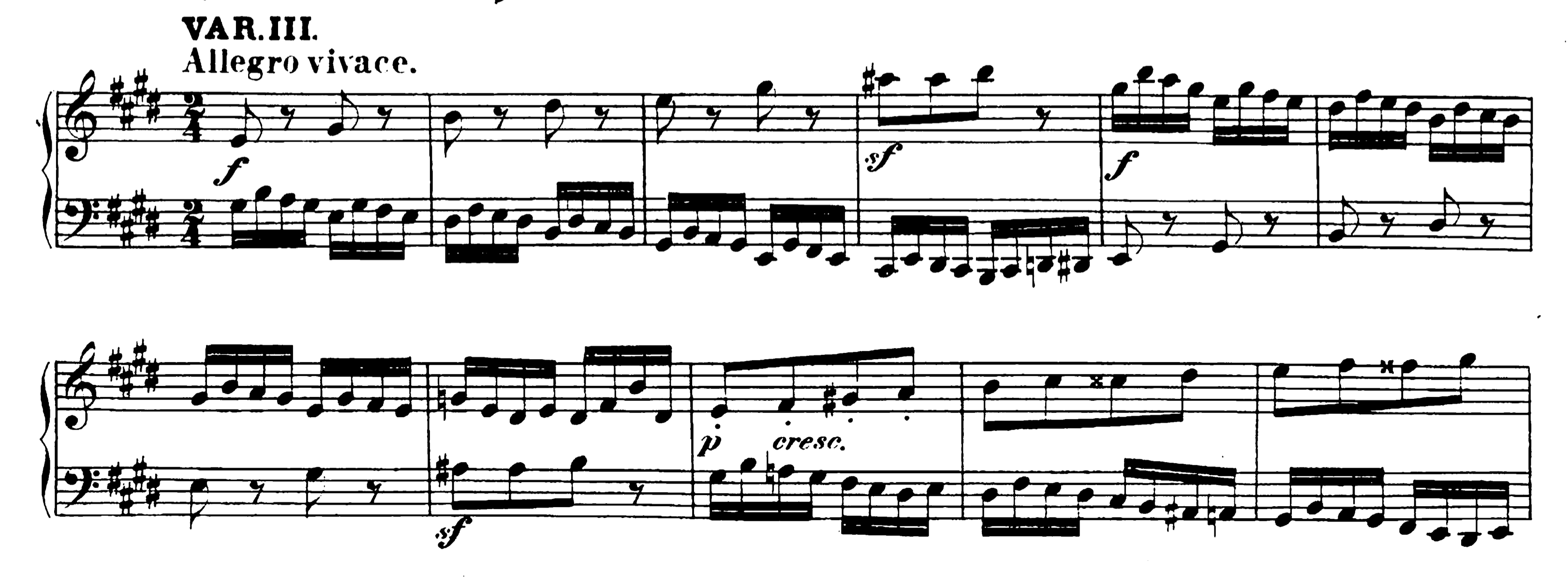
I am admittedly rather obsessed with practicing in rhythms. When these are applied regularly to passagework, fast playing feels secure and wonderful rather than scary. I distinctly remember practicing these rhythms in the last movement of the Beethoven Sonata Op. 109. The left hand has fast sixteenth notes in the third variation that at first felt intimidating to play, but after weeks of adding rhythms to my practice, they were absolutely solid.
I teach my students these rhythm groupings in scales and Hanon first, and once they feel natural to execute, I have them add them to repertoire.
It is important to note that it is vital to remain relaxed on the longer notes. This is the same technique I wrote about earlier in this article in the section on voicing. Pianists must rest on the long note in the rhythm with balance and weight rather than pressing with tension. This will help set up the fast playing that follows in the short notes.
Practice Strategy #5: Daring Leaps
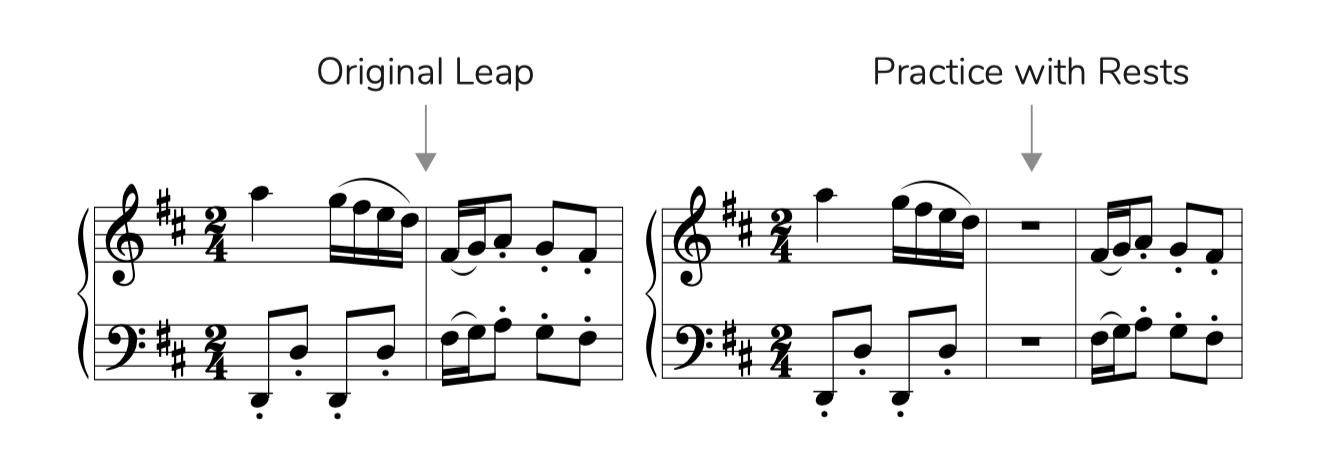
When both hands leap to a new position simultaneously, insert extra beats of rest before the leap. Then reduce the number of beats of rest until you are able to make the leap confidently.
It is difficult for most pianists to simultaneously move both hands to a new position with speed and accuracy. This practice strategy removes the mystery for how to accomplish this.
To start, I usually recommend setting at least three or four extra beats of rest between the position change. Ask your student to count out loud as they move between the two positions. The hands can move at the same time, or one hand can move slightly ahead of the other. This choice depends on the context of the passage, but it should remain consistent whenever the shift is practiced.
Gradually (one beat at a time) remove the number of beats between the change until the leap feels confident and accurate. This strategy works perfectly for the popular Bach Musette!
Summary
Practice strategies may be used throughout a lifetime of practice. If you appreciated reading about these five, there are thirty-four more for you to explore in the Piano Safari Practice Strategy Cards! Using strategies like these makes practicing more approachable, as they provide a practical and reliable way to improve piano playing.
Are you interested in reading about elementary level practice strategies? Visit the Field Note "Turning Practice Into Progress: Tips for Elementary Level Piano Students."